Seasoned Pastor Jeff Myers Shares Wisdom Gained from Decades-long Career in Marriage andFamily Public Policy, Church Service
By Amy Morgan
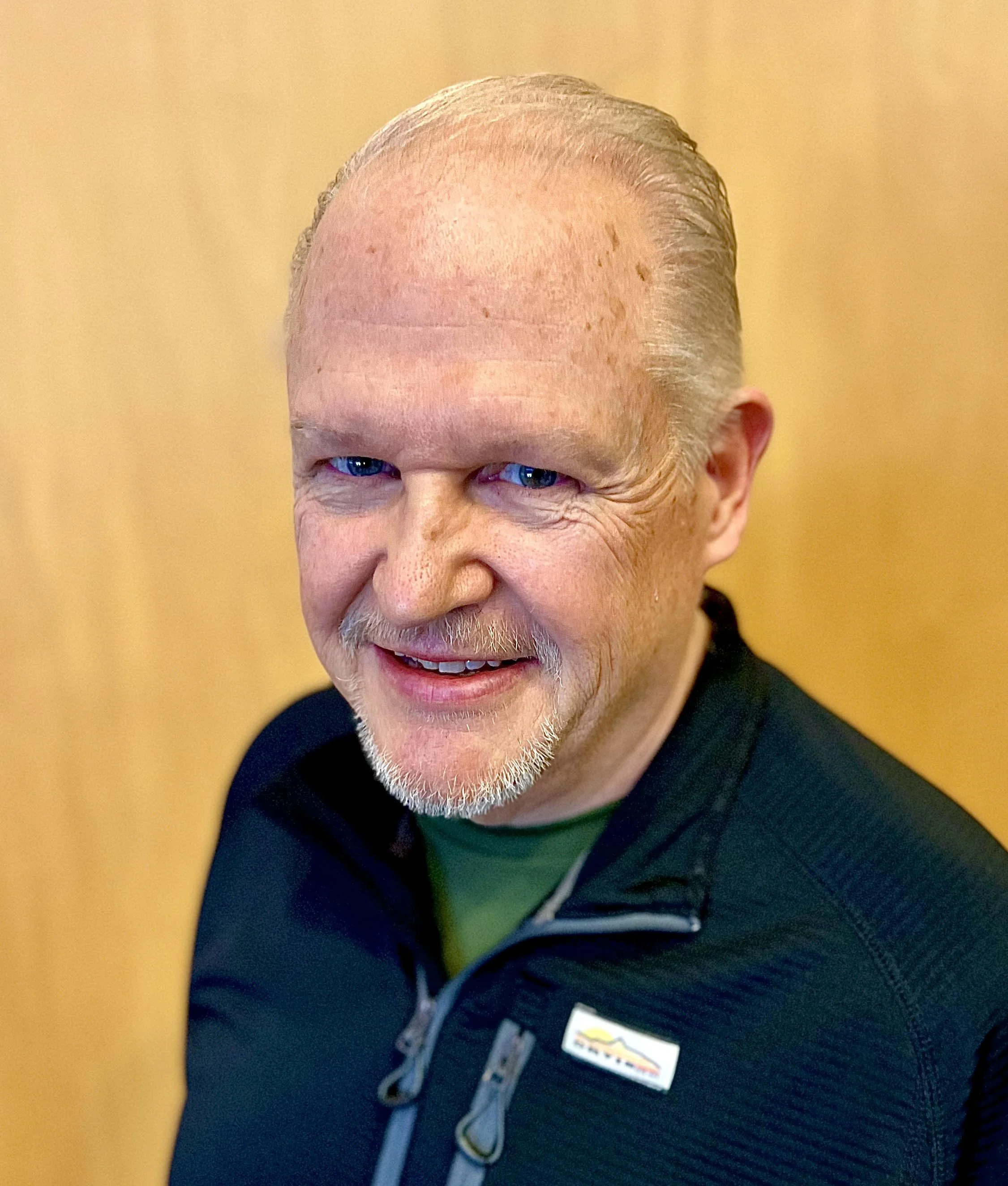
Jeff Myers, LPC, has spent almost 30 years serving at Christ Lutheran Church in the Kansas City suburb of Overland Park. He was recruited in 1995 when church leaders determined to take a more strategic view of marriage as the center of the family, which was “right up my alley as a Christian counselor,” he said. A specialist in counseling psychology, Jeff spent his first seven years of ministry as a supervisor for Lutheran Child and Family Services clinical service sites in the St. Louis area.
His work exposed him to work by Michelle Weiner Davis’ Divorce Busting, which he calls a “terrific book” and became intrigued by solution-oriented therapies. Encouraged by Mike McManus, founder of Marriage Savers and Community Marriage Policies, Jeff also became involved in a community marriage policy, following research that showed the benefit of keeping marriages intact and highlighting the trail of damage that follows divorce.
“I was intrigued by the research and data that so obviously bolstered the Biblical information,” He said. “I don’t think the scientific community anticipated the results they were getting.”
Part of Jeff’s mission was to collaborate with other pastors to strategically support marriages. “The effort multiplies geometrically,” he said, with generational effect. “Saving a marriage has a systemic effect.”
Jeff partnered with Pastor LeRoy Sullivan from Kansas City’s Bread of Life Fellowship as part of his work interacting with inner city churches in the blighted downtowns of Kansas City, Milwaukee, Detroit, Atlanta and Washington D.C. to emphasize that marriage is the critical lynch piece to changing trajectory. Strong marriages create a strong, safe community and raise the economic level of the community across racial lines,” he said. They eventually encouraged pastors from 200 churches across Kansas and Iowa to sign pledges of support by 2003.
Jeff also worked with Richard Marks as part of Kansas Governor Sam Brownback’s 2010 Initiative to spread the message.
The last thing described in the Bible is a marriage (the wedding supper of the lamb). It is wired into us deeply as human beings and doesn’t get the attention it should, he added.
“Why aren’t we screaming this from the housetops?” He wondered. “Seventy percent of marriages shouldn’t fail. Let’s get an ethic of commitment going. That is what changes the community. There’s not enough money to pour into these homes to stabilize them or end the violence. Those are all symbolic and useless battles.”
He points to three of the ten original commandments that deal with marriage and family life that he believes are “wired deeply within the human heart and mind.”
Honor your father and mother.
Do not commit adultery.
Do not covet.
“These cover others, spouse, kids and property and are the same number of commandments that pertain to man’s relationship with God,” he said. “Just because you feel like you can change these rules doesn’t mean you are going to have positive outcomes.”
In 2010, his friend Pastor Sullivan passed away, and Jeff retired from public policy after almost 30 years. He served as interim senior pastor at Christ Lutheran for a stint and has transitioned to focusing on the family and counseling needs of his congregation of 1500 souls and an on-site classical education school that teaches students through 8th grade.

Jeff’s endeavors to support marriage take a three-pronged approach of building, restoration and growth. Since 2014, the church has reached more than 200 couples through Watermark’s Re|Engage program — most of whom are not members of his Christ Lutheran congregation. “I can’t say enough about that program,” he enthused.
In addition to Re|Engage, Jeff invests in growth on three levels – Level 1 is for fun and connection. The church offers a marriage retreat with activities and a banquet and Valentine’s dinner with conversation starters and prizes. They’ve hosted retreats in the resort area of Branson, Missouri, that have attracted 20-50 couples each time. “Level 1 is intended to help couples that otherwise avoid marriage activities have some fun and see that working on their marriage in enjoyable,” he said.
Level 2 events provide information and allow opportunity for growth and change. These less frequent events connect couples to weekend experiences or a presentation. The couple is free to apply the information that appeals to them.
Level 3 offerings are designed for heart change. Closed small group interaction that allows for emotional connection, skill building, vulnerability, authenticity and honesty are important. Examples would be deep level retreats or Re|Engage.
Jeff plans for all offerings to be Christ-centered and discipleship oriented, and to include an element of worship, he added.
Christ Lutheran also invests “a lot of energy” into marriage prep because he finds the audience is more receptive. “It is the first time there’s something a couple wants from the church, and they both want to be there,” he said. Because Christ Lutheran’s campus includes a school, he has a captive audience with which to introduce marriage values early, he said, as he weaves biblical marriage and dating messages into middle school retreats and throughout youth programs.
Still, he notes, 80% of couples who ask him to perform their wedding ceremony are living together already. Jeff draws a strong line in the sand. “Do you want the five-year-plan or the life-long plan,” he’ll ask them. “Are you looking at permanent or temporary? What are you willing to do to make your marriage a life- long plan?”

If couples do not agree to follow Jeff’s requirements, he’ll continue with their marriage prep, but he will not marry them in the church.
“We can’t say that God has blessed their marriage if they are not going to do it God’s way. It is not fair to ask us to compromise our values because it makes you uncomfortable. If you are going to do it, jump in with both feet,” he says. He’ll ask couples to confess before God so that they can invoke the presence of Christ in their marriage. He counters a potential argument to his requirement that couples live in separate households before the wedding by offering for the church to cover the cost of their relocation. “I’ve been saying this to couples since 1995. Out of the several hundred couples who were living together, a lot of them split their households, but not one of the couples took me up on paying for it.” Of those who chose to go their own way, several have come back to him years later and told Jeff they wished they would had listened to him.
Another of Jeff’s requirements before he’ll marry a couple at Christ Lutheran is that they undergo a six-month waiting period without physical intimacy, so they have the space to build spiritual intimacy and skills of friendship. Jeff quotes Dr. Jim Talley, “friendship is the safety net under the tight rope of marriage.”
The wedding is a day. Marriage is a lifetime.
Each pre-married couple also will be paired with a mentor couple. These couples come alongside the pastor and help shoulder the load of marriage preparation. “It triples the couple’s contact with the ministry and involves another couple (including both a male and female opinion and view). Like the couples they’ll mentor, leaders first train in the Zoe Score inventory (zoescore.com) and have help as they meet with their first couple,” he said.
Jeff believes inventories like the Zoe Score are crucial because “they lift the focus of a couple’s relationship to a higher part of cerebral functioning. So much of bonding is about emotional and lower-level human functioning. An inventory is an objective instrument that looks at the relationship from a more rational and higher level of functioning, so their decision-making skills can click in. 15% of couples who take an inventory choose not to marry,” Jeff said, which he counts as a positive precaution.
After the wedding, Christ Lutheran funnels newlyweds into Watermark’s Foundations curriculum that targets those in their first few years of marriage. “We’ve had a lot of success bringing them into small groups, and they love it!” Jeff said, noting that half of divorces occur in the first seven years of marriage, with the high point being at 18 months to two years. “If we can invest in the fat part of the curve, we can keep couples building and growing through the first part of marriage,” he added.
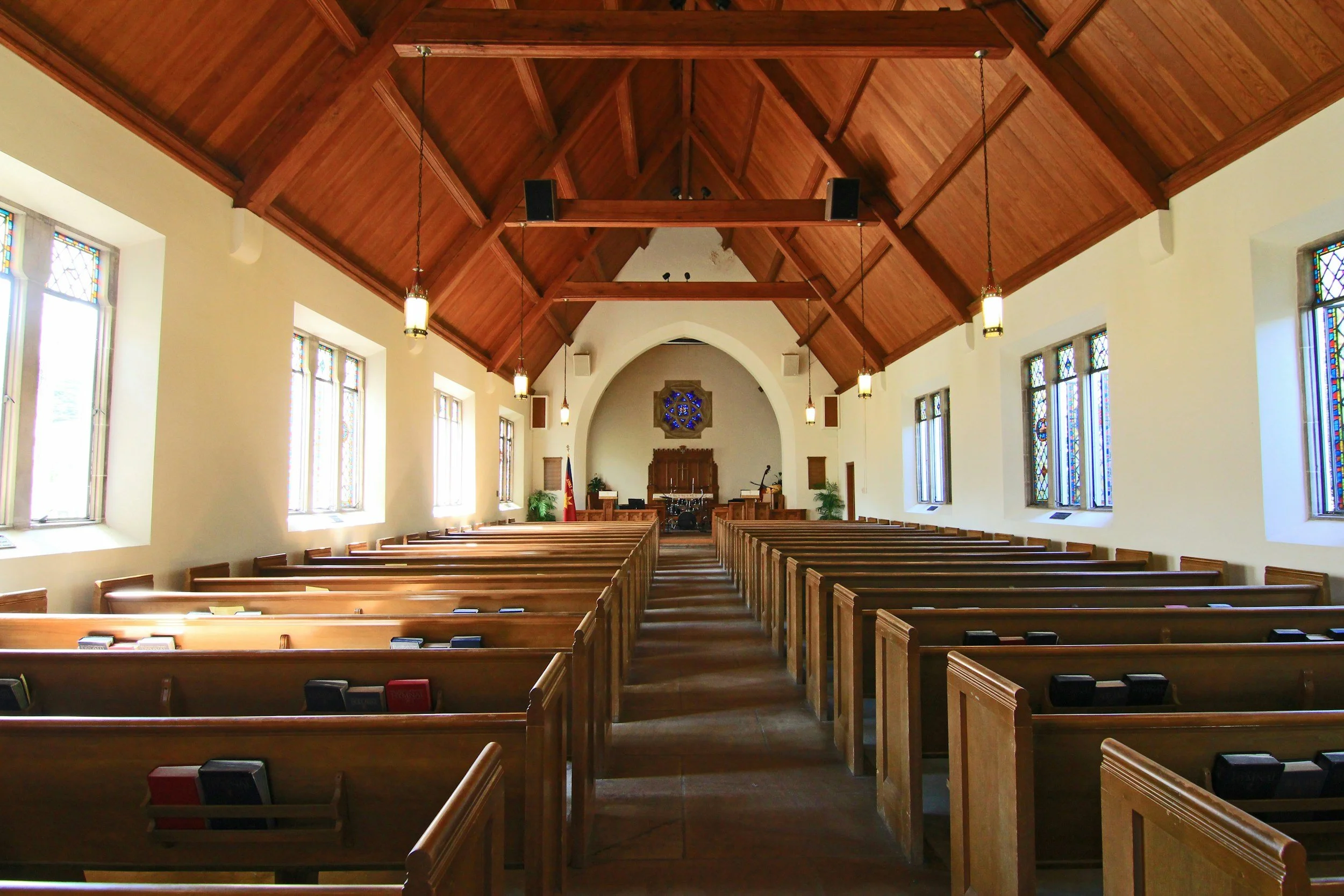
“The single strongest indicator of success in marriage is a couple’s spiritual life together. That’s what we want to build.”
When asked how he has enlisted the support of his senior pastor, Jeff answered, “He brought me here to build a marriage ministry into the DNA of our congregation. What I do is critical to our overall family focused ministry. Every church should have somebody. Building marriages is strategic and systematic. If we don’t do it as a church, how are we going to do it out there?
“A broken marriage, a divorce, leaves a ripple effect of pain and destruction down into the entire church and community. When a home is broken, a child or a teen cannot attend to lessons and teaching. Divorce creases a huge emotional cavity that is not easily filled. We can end that.
“When a marriage is saved, and we have saved thousands, all boats are raised — from education levels, to lowering crime rates, mental health increases and so on. Part of Jesus’ mission was to set captives free and to connect us to each other. These relational bridges are what the Holy Spirit uses to deliver the Gospel message. Dozens of couples can point to what Jesus did for them in their most important relationship and the peace they now share. The chord of three strands is not easily broken.”
Jeff’s been blessed with strong financial support because of Christ Lutheran’s commitment to marriage.
“I can’t speak for other churches. I was called here to Christ Lutheran in 1995 for the expressed purpose of building marriage ministry. As long as I plan ahead in my visioning, I have not had difficulty with resources.” He noted that couples pay something for most of the programs at Christ Lutheran, which offsets costs.
When asked how he has been able to recruit ordinary couples to be on the marriage ministry team, Jeff replied that he can name couples who have been serving for decades. “It’s one of the few things we do at the church where husbands and wives work together. If you want to get into the trenches of life with people, this is how it happens.”
Most couples "don't feel qualified" to work in a marriage ministry. How has Jeff been able to overcome that objection? “We are not looking for perfect couples. We are looking for those who desire to be in meaningful ministry together,” Jeff said. “Some of our mentor couples have served for almost 30 years because of what it does for them as a couple.”

He encourages them that they won’t be thrown on the own. “This is an extremely valuable ministry,” he said. “We are not asking you to be a therapist. Marriage is not an illness. We just ask you to walk alongside another couple through a set process we’ll teach you and support you through. It doesn’t take a lot of push when you present the value and ask if they can help. You’d think long and hard about what it could mean to you and the lives you would touch.”
When asked how he selects the programs and resources for Christ Lutheran, Jeff returns to the quality of Watermark’s curricula. “I don’t think there’s anything quite like Re|Engage,” he said. “They have everything, and the training is phenomenal. That’s easy enough right there. And the Zoe Score inventory doesn’t cost anything to learn online. A video process helps you through it. It’s simple for me to use and bring people along.”
Sometimes couples present in crisis and need more than Re|Engage or a program can provide. Jeff is a Licensed Professional Counselor, so he does see couples in therapy, appreciating where the clinical and the Christian perspectives come together. He also is connected to other professionals in the area to whom he refers when there’s a need to address more difficult situations. But typically, he prefers to funnel couples into Re|Engage. “I find that more successful than most counseling. Again, marriage is not an illness. I find that most marriage counseling ends up focusing on the ‘I’ instead of the ‘We.’ Counseling tends to have married individuals ask, ‘What’s in it for me?’ instead of, ‘What can I bring, what can I do, to make your life a little better today?’ What I like about recovery based, Christ-centered treatment is that it ultimately leads the individual to seek to serve without asking for anything in return – and to find great joy and pleasure in that mindset,” he said.
When asked what words of wisdom he’d share with those looking to establish a marriage program at their church, he said, “Do your homework and prepare the case well. There is a mountain of research showing the vital importance of this area of ministry.”
Including some in which Jeff himself participated and championed throughout his decades-long career.